Reusable components
Common patterns for tables, filters, forms, empty states, modals and frequent actions.
I help software vendors, startups and product teams simplify their interfaces, improve user adoption and design experiences that fit their technical environment.
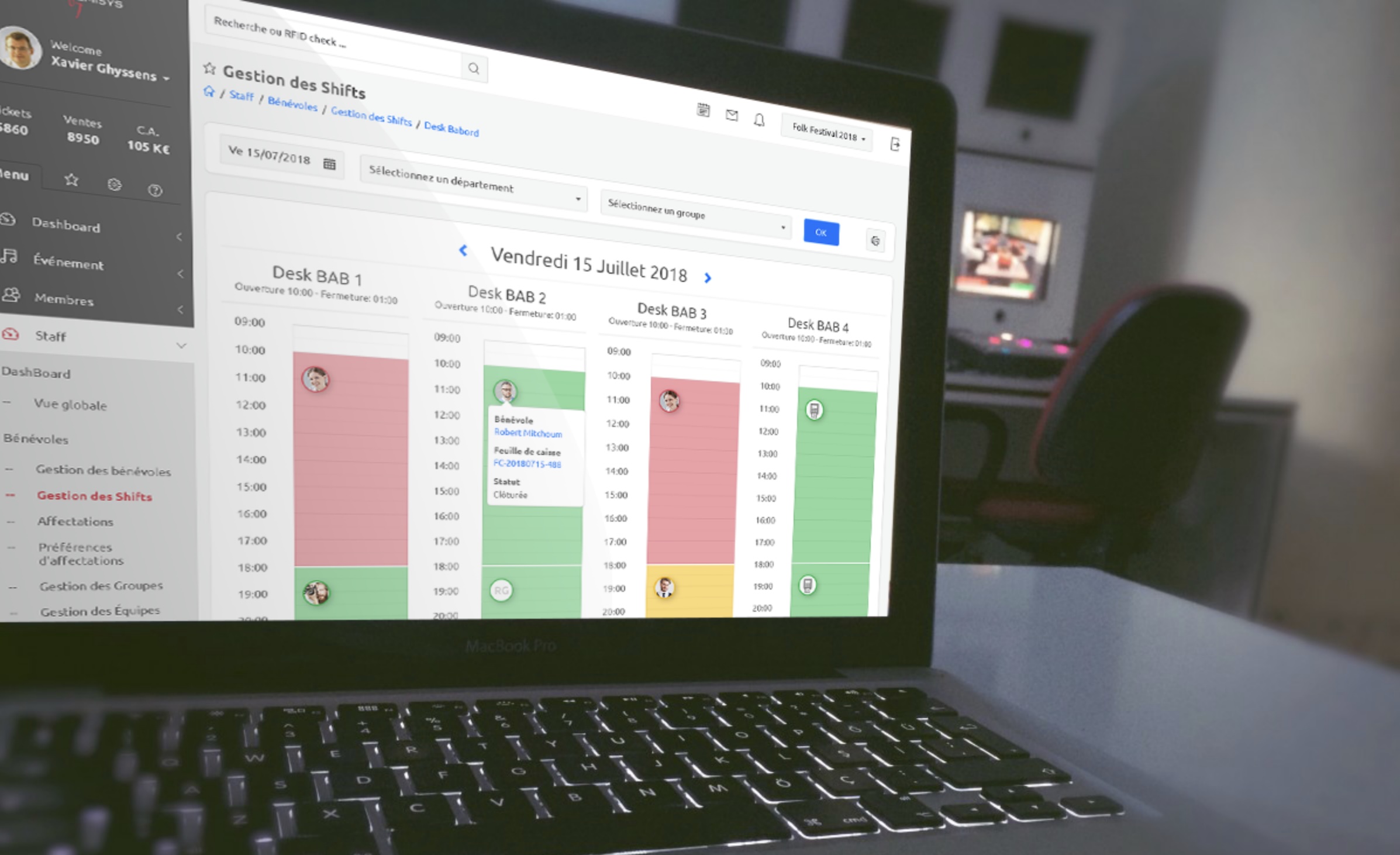
As a product grows, the interface often accumulates screens, business rules and exceptions. UX helps users understand, decide and act faster, without slowing down product teams.
A good UX recommendation must be understood, arbitrated and integrated by the team maintaining the product. I do not only design isolated Figma mockups: I take into account UI frameworks, existing components, current patterns and the acceptable level of change.
Bootstrap, Tailwind CSS, Material Design, Angular Material, Ant Design, PrimeNG, React, Angular, Vue.js or proprietary Design Systems are not just technology names. They shape available components, interaction limits, implementation costs and product trade-offs.
My role is to connect the expected user experience, business goals and the technical reality of your teams, without suggesting that everything needs to be rebuilt to make progress.
I mainly work on products where UX needs to simplify business usage, data, rules and daily workflows.
For a SaaS product, consistency is not just about appearance. It makes screens more predictable, speeds up product decisions and prevents each new feature from adding another hard-to-maintain variation.
Common patterns for tables, filters, forms, empty states, modals and frequent actions.
Readable rules for colours, spacing, typography, states, content and acceptance criteria.
A shared language between UX, product and development, with accessibility built into design decisions.
Depending on your product maturity, the engagement can be short and focused, or support a team progressively improving the UX quality of its SaaS product.
Identify friction points, inconsistencies and improvement priorities across your key journeys.
Help new users understand the product value and complete their first actions.
Simplify business journeys, reduce hesitation and clarify decisions at each step.
Make indicators, filters, alerts and summary views easier to read and act on.
Review structure, labels, error messages, states and validation rules.
Structure or improve components, rules, tokens and documentation that teams can actually use.
A progressive method to understand the product, make friction visible and propose improvements that stay compatible with your priorities and environment.
Product, users, business goals, domain constraints and team expectations.
UX friction, interface debt, component limits and technical constraints to account for.
Realistic solutions as recommendations, journeys, wireframes, rules or component adjustments.
Discussions with product and development teams to make decisions and implementation easier.
Let’s discuss your UX, product and technical challenges to identify the most useful improvements for your users and teams.